How to Fix a Dripping Tap
A dripping tap announces itself at night, one tick at a time. How to fix a dripping tap comes down to the sealing part inside. That part decides whether a home owner may lawfully do the work or whether the job needs a licensed plumber.
If we're late, $100 comes off your bill
- Licensed and InsuredEvery job done by a licensed plumber. QBCC No: 15024607
- Fixed Quote FirstFlat-rate pricing, agreed before any work starts
- Lifetime Labour WarrantyBacked by our Fix-It-or-It's-Free guarantee (T&Cs apply)
- $0 Call-Out FeesNo extra charge for nights, weekends or public holidays
In Alderley, the housing runs from pre-1940 cottages wearing old compression taps through to the single-lever mixers fitted in the station-side townhouses. The two designs seal differently, and the differences set the repair.
Here is how each type works, how to tell a washer problem from something bigger, and what the drip costs you between now and the fix.
Compression and Ceramic Disc Taps Explained
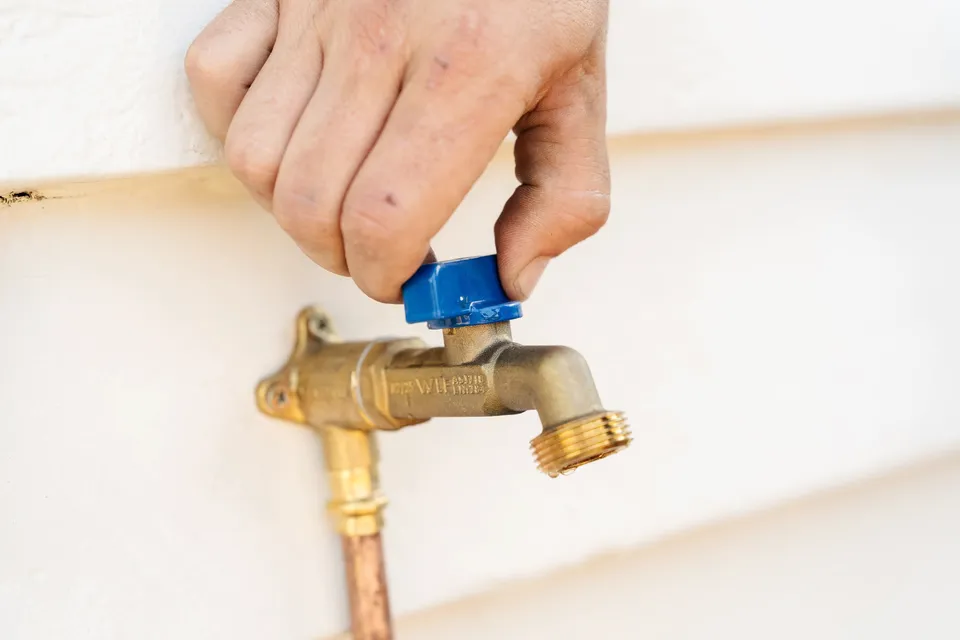
The two common tap types close the flow in different ways. A compression tap, the washer type, closes by pressing a rubber washer against the valve seat. A mixer tap, in most cases, shuts on a ceramic disc cartridge instead.
A note on "most": a few mixers still work on the washer principle. Those follow the washer rules in the rest of this page.
The quick test: count the turns.
- A washer tap has a separate hot and cold handle, each needing several full rotations to close. The handle winds a spindle down, and a jumper valve at the foot of that spindle carries the washer onto the seat.
- A mixer runs one lever, and that lever needs only a quarter swing.
A drip means the sealing part inside has worn. On a washer tap, suspect the washer first, then the O-ring, then the seat. On a mixer, the cartridge is the part that wears.
When the Drip Is Not the Washer
Some signs point somewhere other than the washer:
- the drip keeps running even after a fresh washer has gone in
- water shows at the handle or around the base
- a mixer leaks steadily from the spout
- the tap body carries a crack or heavy corrosion
A drip that beats a fresh washer points to a damaged seat. Water pooling at the handle or the base points to a worn O-ring, the seal around the spindle, a loose connection or a cracked body. On a mixer, the spout leak means the cartridge.
Repairing those parts, or fitting a whole new tap, counts as minor work that a QBCC licensee performs. No permit and no Form 4 are needed. The unregulated DIY list names a tap's washer, and nothing else.
One habit worth dropping: cranking the handle tighter. Forcing a tap shut speeds the wear on both washer and seat, and it never stops the drip.
Can You Change a Tap Washer Yourself
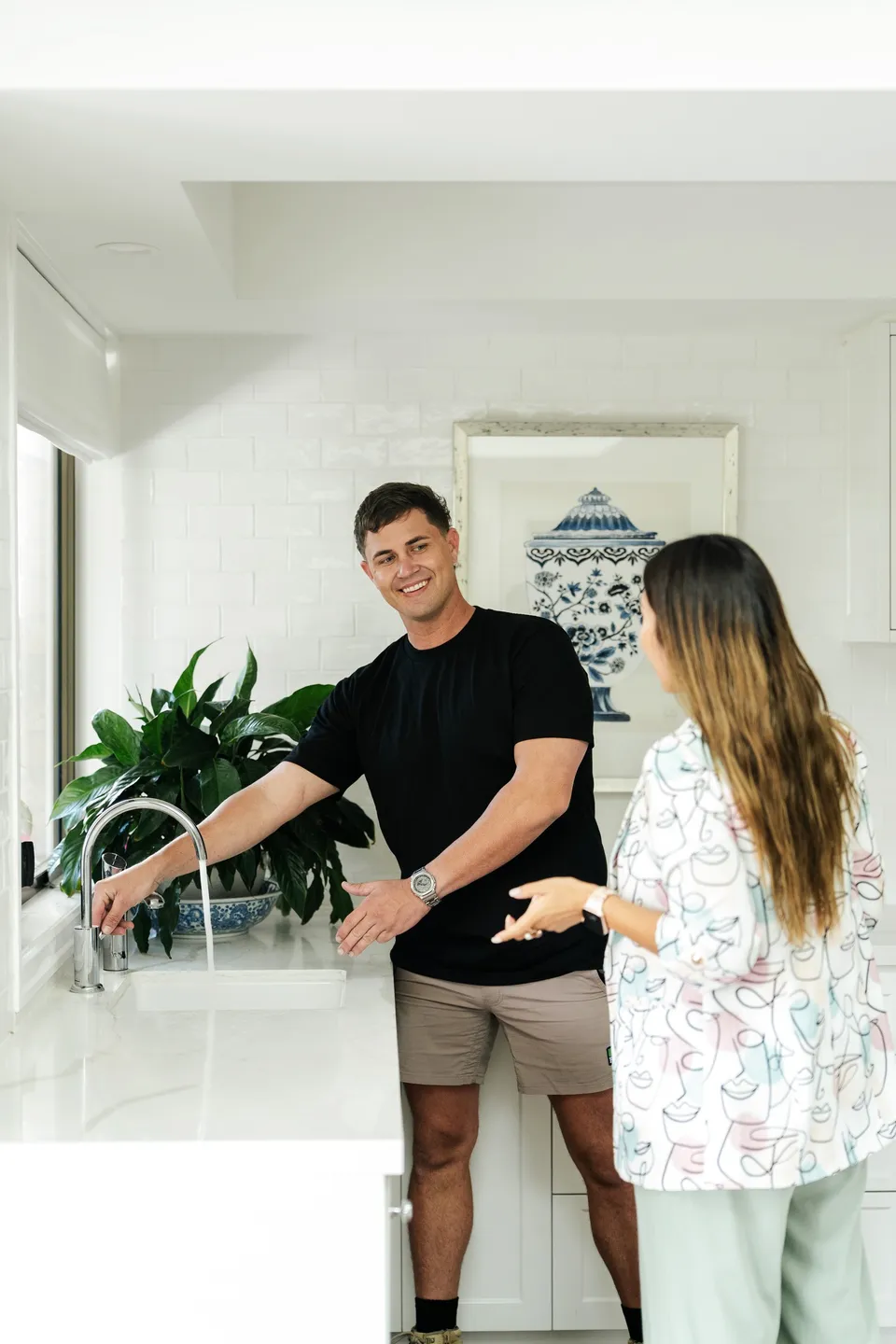
Yes, if the job stops at the washer. Queensland's regulator treats renewing a jumper valve or washer as unregulated work: no plumbing licence, approval or report is needed. Any resident with the right knowledge and skill may take it on, and the finished job still has to reach the minimum standards the legislation and codes set.
Beyond the washer, the tap is licensed territory. A cartridge never appears on the DIY list, and the regulator's own owner guide names a whole new tap as its example of work that requires a licence.
Before any tap comes apart, isolate the water first: close the tap's own isolation valve, or the stop tap at the water meter if there is none. The townhouse laundries around Wakefield Street were fitted with isolation valves on each fixture, which makes that step quick. We give no repair steps beyond this, because a washer swap done badly leads straight back to the section above.

Why a Small Drip Is Worth Fixing
Left running, a slow drip can send thousands of litres of water to waste over time. None of it vanishes. Every drop goes through the meter at your property.
In the Urban Utilities area, the owner pays for whatever the meter records, and a drip counts like any other use. The loss lands on your account, month after month, until the tap is fixed.
Concealed leak relief will not soften the bill. That scheme covers hidden leaks underground or within a structure, and it excludes water lost through leaking taps, cisterns and other water appliances.
When to Call a Plumber About the Drip
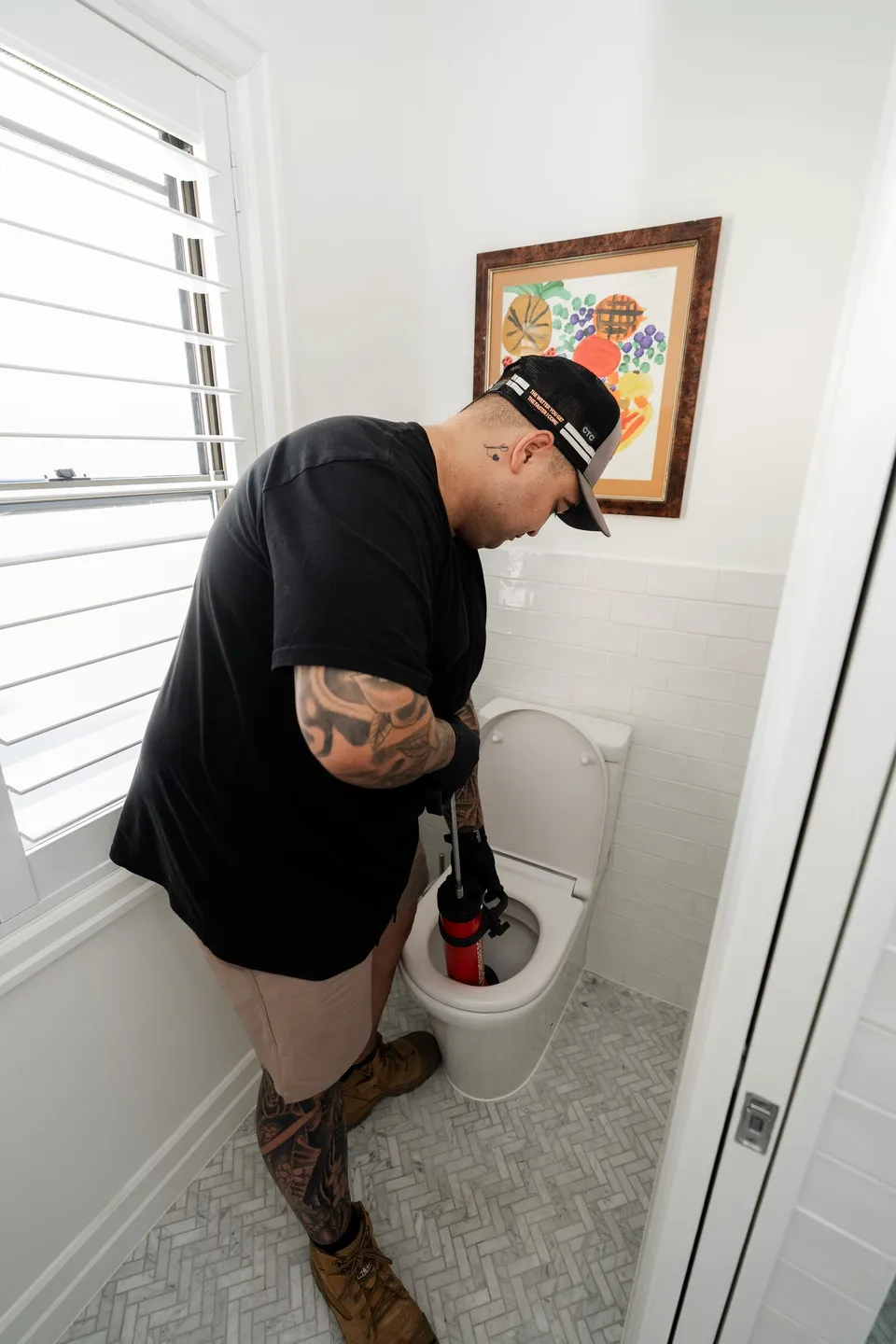
Ring a plumber when the drip beats a fresh washer, when water shows at the base or handle, or when you would rather not touch the tap at all. Our tap repairs work covers cartridges, spindle seals, worn seats and full replacements, and every job is done by a licensed plumber. Alderley Plumbing Services holds QBCC No: 15024607 for licensed plumbing and gasfitting.
A drip is not an emergency, so it can wait for a booked visit that suits you. It should not wait forever, given what the meter keeps counting.
Questions We Get About Dripping Taps
Call (07) 3523 6417Do I need a licence to change a tap washer in Alderley?
No, not for the washer alone. The QBCC opens that one job to anyone, with no licence, approval or report, so long as the work reaches the minimum standards. Every other part of the tap is licensed territory.
Is a plumber needed to fix a dripping tap?
No, not while the job stops at the washer. Beyond it, the cartridge, the spindle, a worn seat or a new tap counts as minor work or replacement, and a QBCC licensee performs it.
Can I replace the cartridge in my mixer tap?
No, not legally. Cartridges never appear on the regulator's DIY list, and repairing a fitting counts as minor work for a licensee. We handle cartridge swaps on mixers, and the price is set by a fixed quote before any work starts.
Does a dripping tap really waste water?
Yes, it can. Given time, a slow drip wastes thousands of litres, all recorded on your meter and billed to you as the owner. Urban Utilities excludes water lost through leaking taps from its concealed leak relief.

Ring Us About the Tap DripWe'll call you back.
Ring (07) 3523 6417 and tell us what's wrong. You get $0 call-out fees, a fixed quote before any work starts and same-day where we can, 7 days a week.
To claim your $0 call-out fee, call (07) 3523 6417 today.